These standards apply to every piece in Beyond the Heartbeats, with no exceptions. They come straight from the magazine’s original launch plan.
- Every clinical or research claim cites its source (a DOI or equivalent link), and no study’s finding is described as more conclusive than the study itself says.
- Personal essays are never presented as clinical evidence or mixed with it. The two kinds of content look different and sit separately in every issue.
- No claims of institutional endorsement, and no hinted partnership with any hospital, university, or organization, unless the relationship is confirmed in writing and named clearly.
- A named clinical advisor signs off on the Research Digest and Clinician Corner before publication. Any piece that hasn’t had that sign-off yet, like several in this issue, is clearly marked as pending review and isn’t treated as final.
- Every Research Watch entry (see the template) states plainly what the cited study doesn’t show and gives an evidence tier (Established / Experimental / Speculative).
- Anything written by the magazine’s own editor is disclosed as such; see Ethics & Conflicts of Interest.
- Any drafting done with AI help is disclosed under our AI Use Policy.
- Corrections and updates are logged and dated under our Corrections Policy. Nothing is quietly edited.
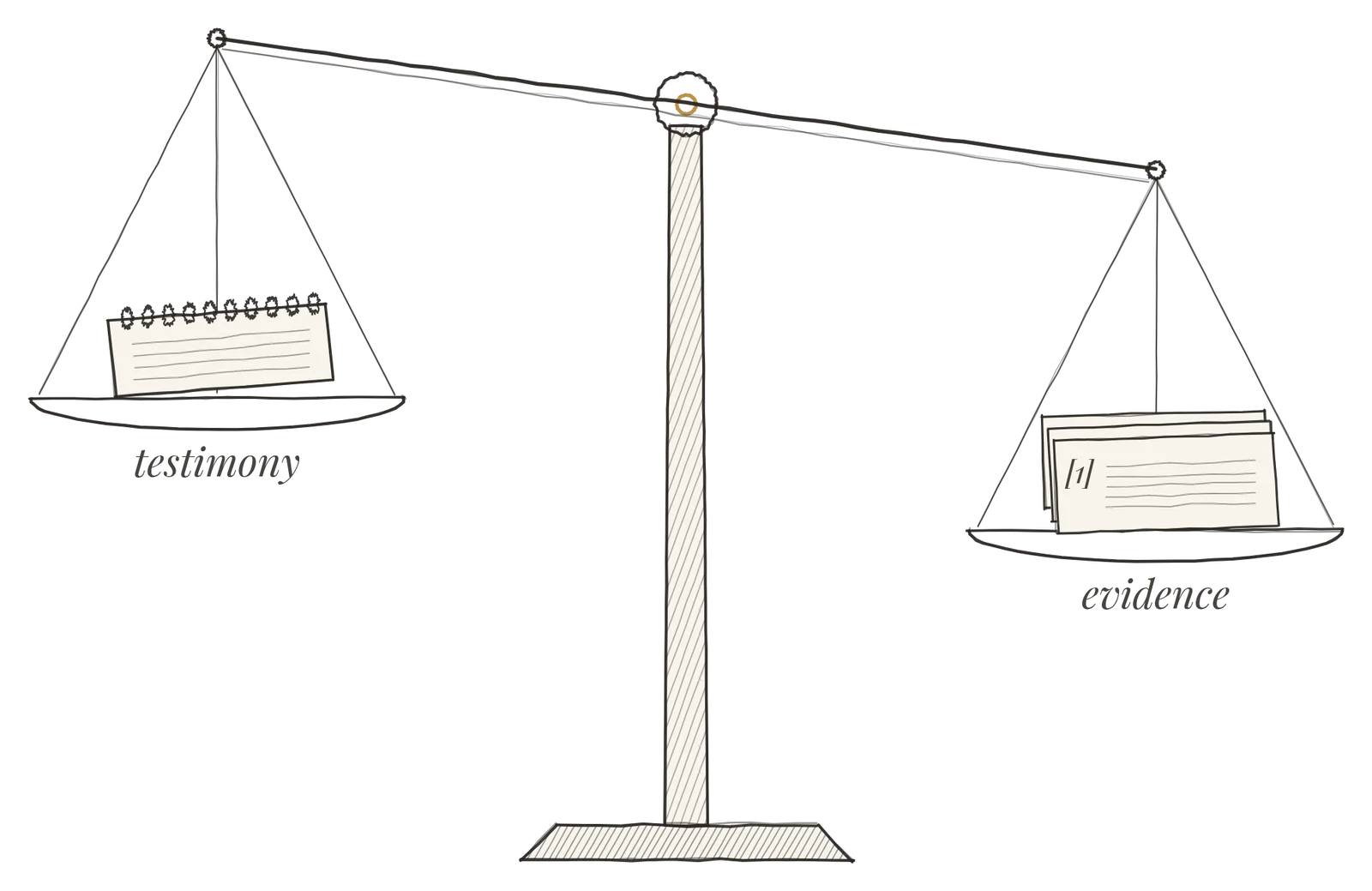
Guiding principle: a family’s experience can raise a research question, but it can’t answer one. Every judgment call we make comes back to that.